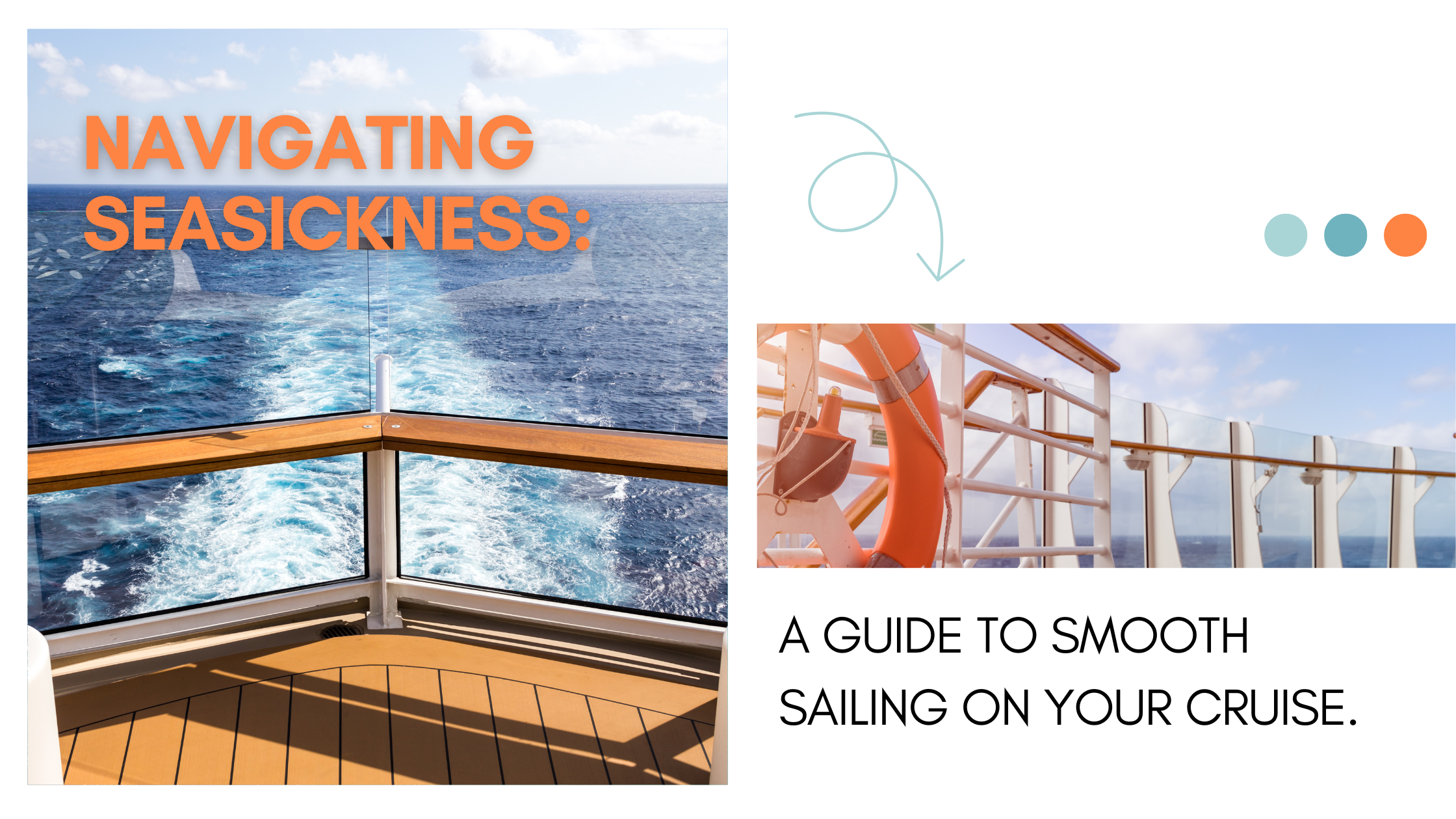
Embarking on a cruise is an exciting adventure filled with endless possibilities for relaxation and exploration. However, for some travelers, the fear of seasickness can cast a shadow over the experience. Understanding seasickness and learning how to prevent it can help ensure smooth sailing throughout your journey.
What is Seasickness? Seasickness, also known as motion sickness, is a common condition that occurs when the brain receives conflicting signals from the inner ear and eyes. This discrepancy can lead to symptoms such as nausea, dizziness, vomiting, and fatigue. While seasickness is most commonly associated with sailing on the ocean, it can also occur on other modes of transportation, such as planes, cars, and amusement park rides.
Preventing Seasickness Fortunately, there are several strategies you can employ to prevent or alleviate seasickness during your cruise:
- Choose the Right Cabin: Opt for a cabin located in the middle of the ship and on a lower deck, as these areas experience less movement and are less likely to trigger seasickness.
- Stabilize Your Inner Ear: Certain over-the-counter medications, such as antihistamines and motion sickness patches, can help stabilize the inner ear and prevent seasickness. Be sure to consult with your healthcare provider before taking any medication.
- Stay Hydrated: Dehydration can exacerbate seasickness symptoms, so be sure to drink plenty of water throughout your cruise. Avoid alcohol and caffeine, as these beverages can dehydrate you further.
- Eat Light, Balanced Meals: Stick to light, balanced meals that are easy on the stomach. Avoid greasy, spicy, or heavy foods that may worsen nausea.
- Focus on the Horizon: When you start to feel seasick, focus your gaze on the horizon or a fixed point in the distance. This can help reorient your senses and alleviate symptoms.
- Get Fresh Air: Step outside onto the deck and breathe in the fresh sea air. Taking deep breaths of fresh air can help calm your stomach and alleviate nausea.
- Use Acupressure Bands: Consider wearing acupressure bands on your wrists, which apply pressure to specific points on the body believed to alleviate motion sickness.
Conclusion Seasickness can put a damper on your cruise vacation, but with the right precautions, you can minimize its impact and enjoy smooth sailing throughout your journey. By understanding the causes of seasickness and implementing preventive measures, you can embark on your cruise with confidence and peace of mind. Bon voyage!
Remember, if you’re prone to motion sickness, it’s always a good idea to consult with your healthcare provider before your cruise to discuss preventive measures and treatment options tailored to your individual needs. With careful planning and preparation, you can set sail on your cruise adventure with confidence and comfort.




Leave a Reply